
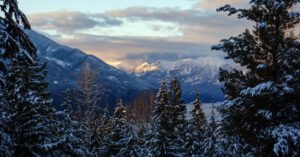
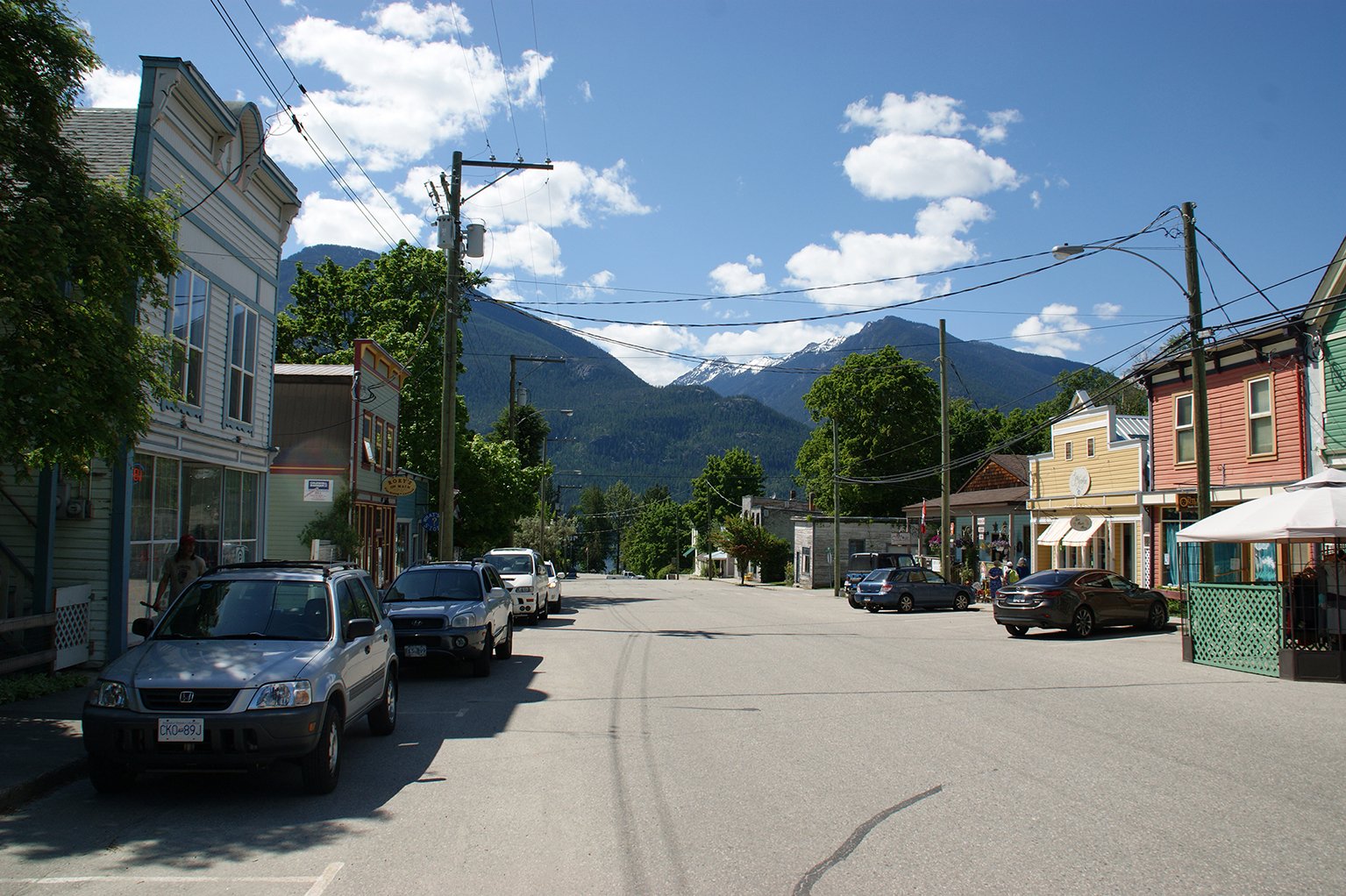
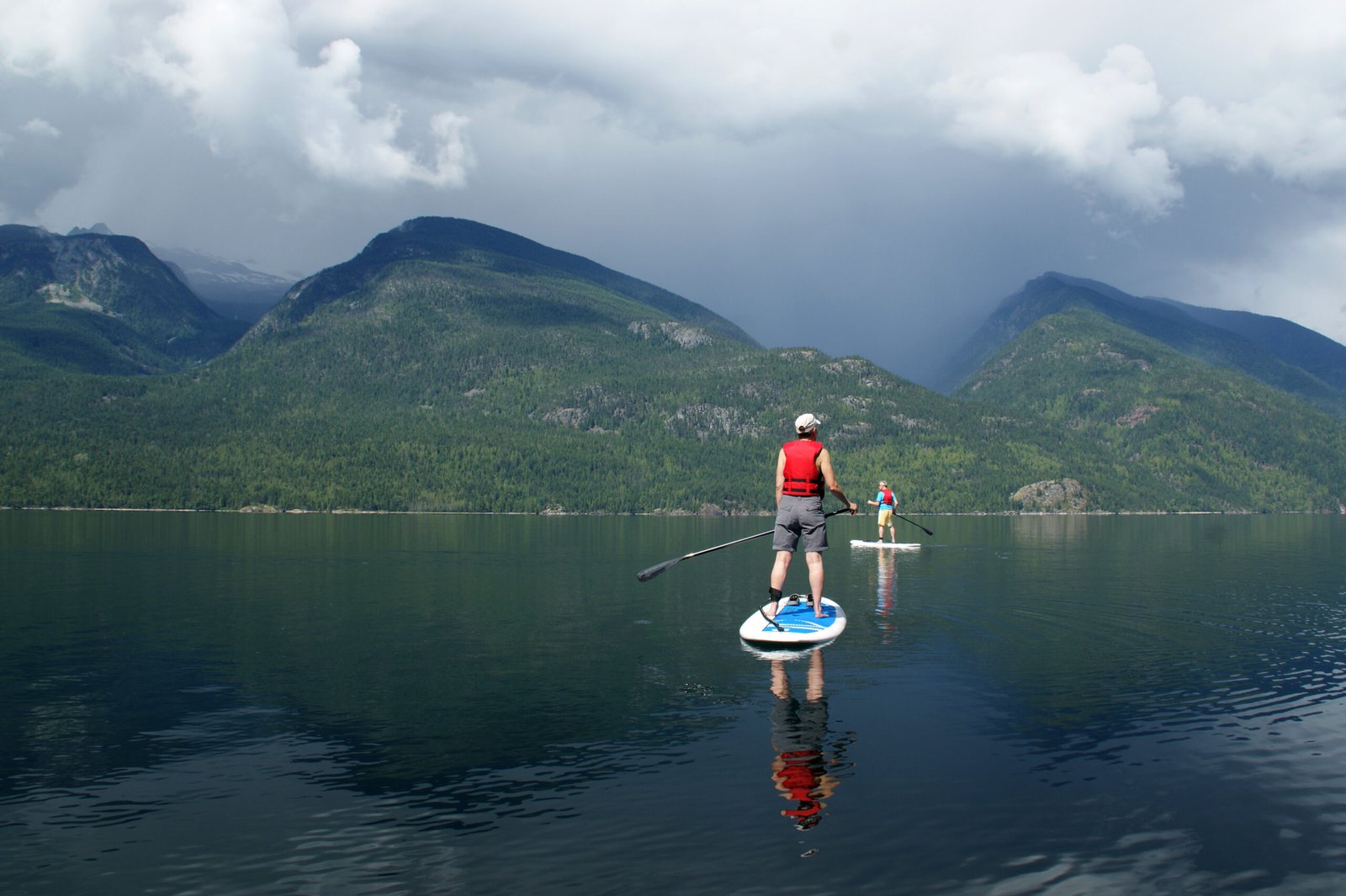
The Slocan Valley has a rich legacy of being a little different and very creative. The number of artists, makers and musicians is remarkable and together have woven a colourful community fabric. Rugged, rural and wild, the Slocan Valley feels like one of the last frontiers, where people can truly feel like they’re “away from it all”.
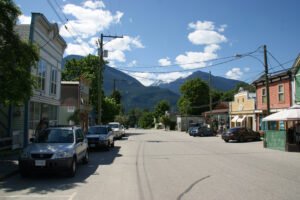
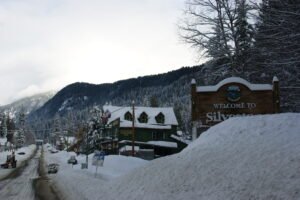
Today’s communities of the northern Slocan Valley are barely one hundred years old, and yet the area has seen some of Canada’s most dramatic and interesting history. Several thousand years ago, indigenous people occupied the valley, using its resources for food and shelter. There are still members of the Sinixt Nation living in the Valley today. Until as late as 1890, almost no-one else had even seen the Slocan Valley. A discovery in the early 1890s would change all that rapidly. Rich silver-lead ore was found near Sandon, and thousands of prospectors and fortune hunters poured into the area, lending it the name “The Silvery Slocan”. Mining created the current towns of New Denver, Silverton and Slocan City.” With the mining, came also large-scale logging of the area.
The Russian Doukhobors came to the Slocan Valley in 1908, forced from their home across the world. Sadly, their set of beliefs and practices would make them the target of the Canadian government as well. There are currently many Doukhobors living in the Slocan Valley and wider area.
The 1940s saw yet another cultural addition to the valley – during World War Two, Canada’s citizens of Japanese descent living on the west coast were forced to leave their homes and possessions and were interned in camps until the war was over. The Japanese people have undoubtedly enriched the northern Slocan Valley area and still do till this day.
The 1970s saw another influx of immigrants. This time many of them were Americans fleeing the Vietnam War or the American system, but there were also many Canadians heading west from the big eastern cities and the prairies. Communal living and agricultural “back to the land” self-sustenance became popular again.
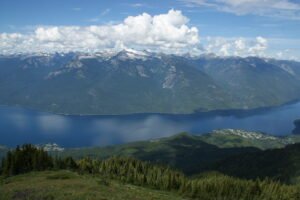
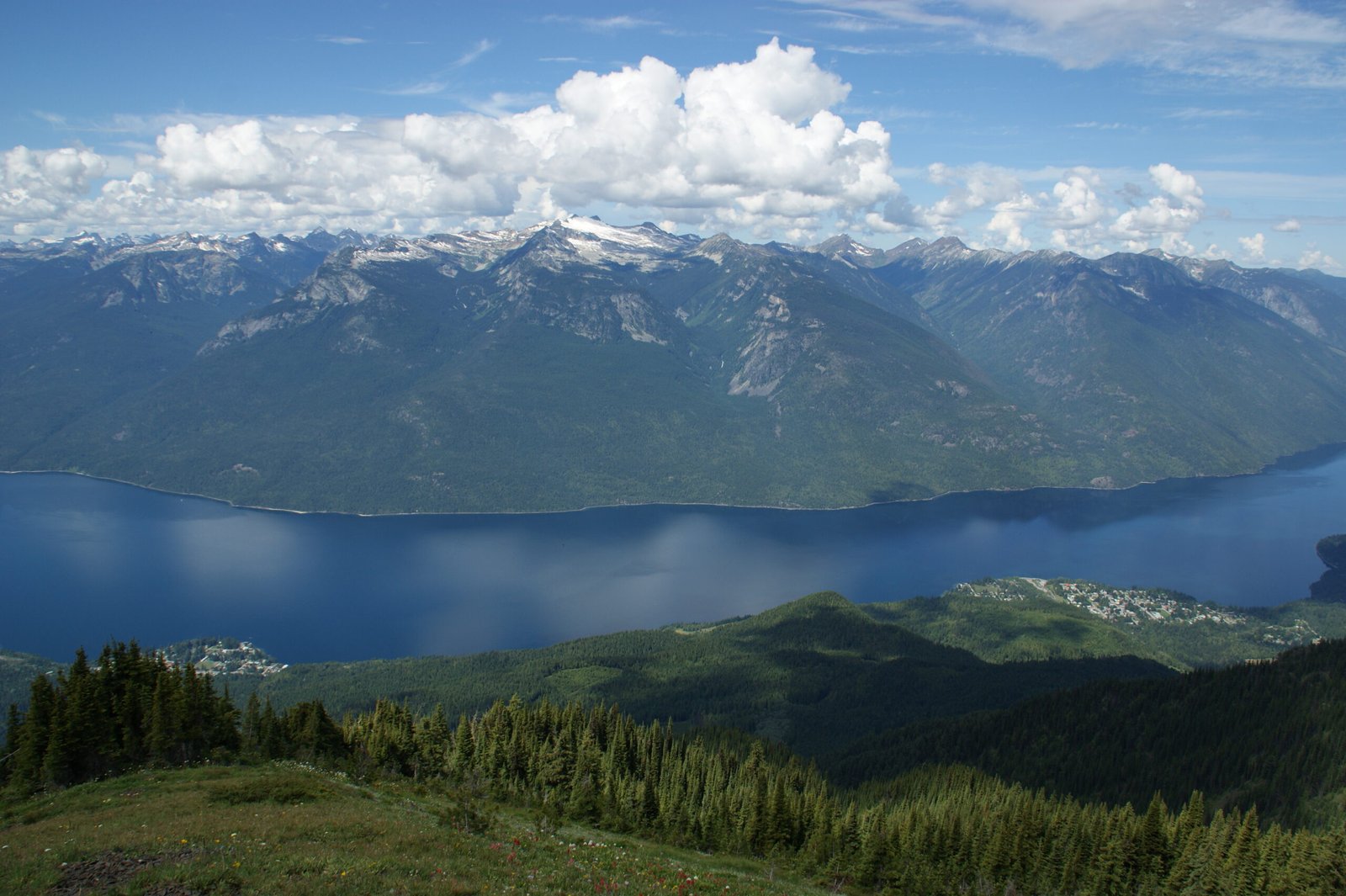
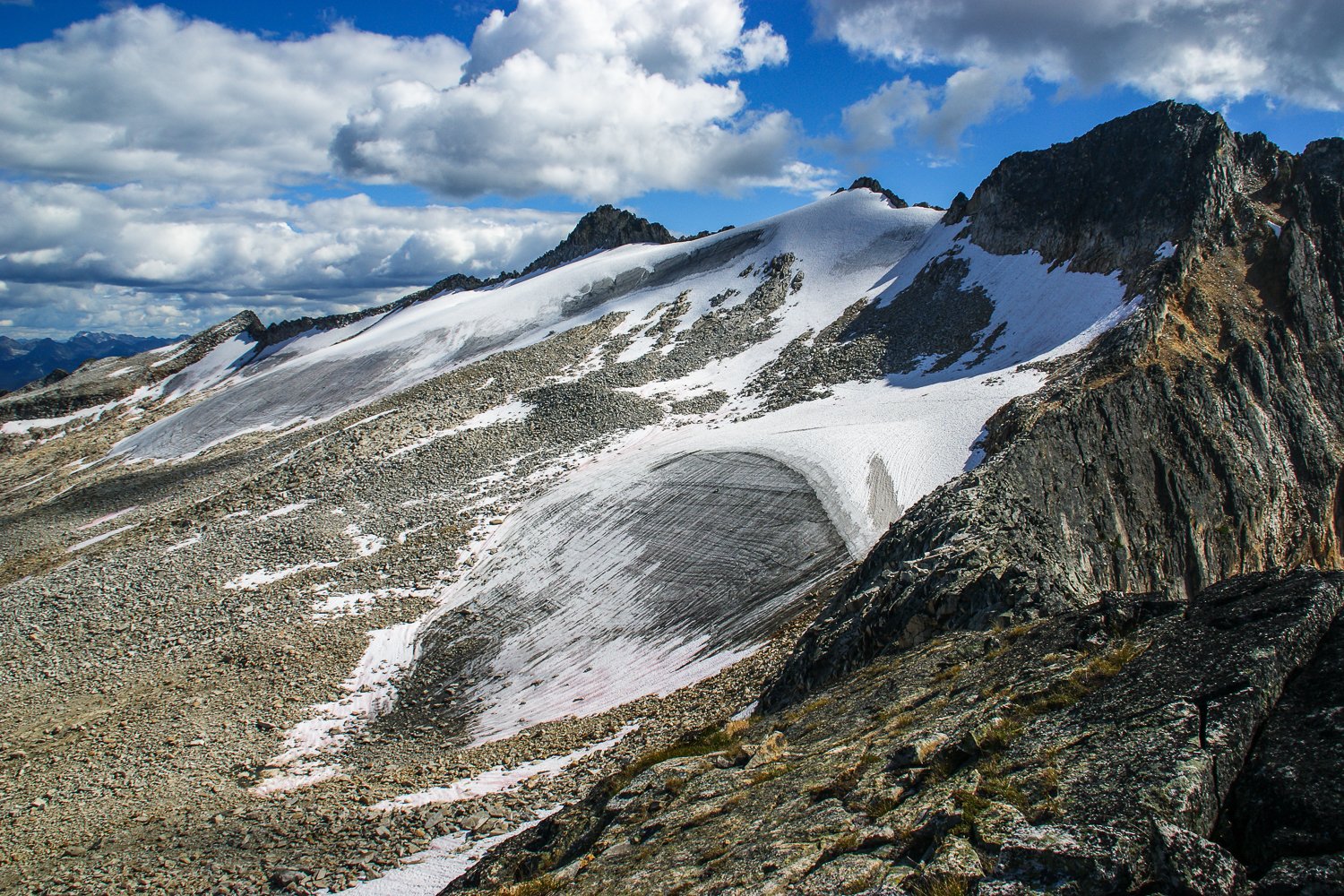
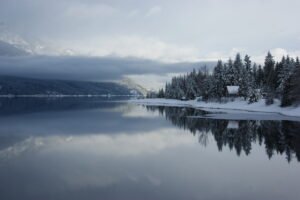
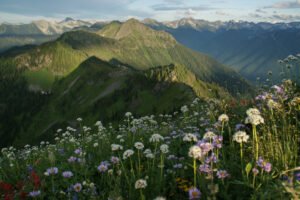
In 1983 Valhalla Provincial Park was established on the west-side of the Slocan Lake, to protect the diverse topography, majestic peaks and unique vegetation of the Selkirk Mountains.
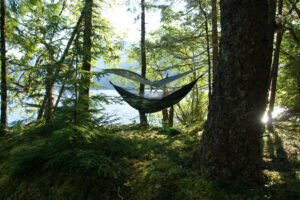
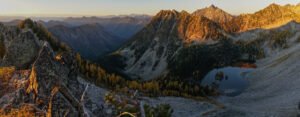
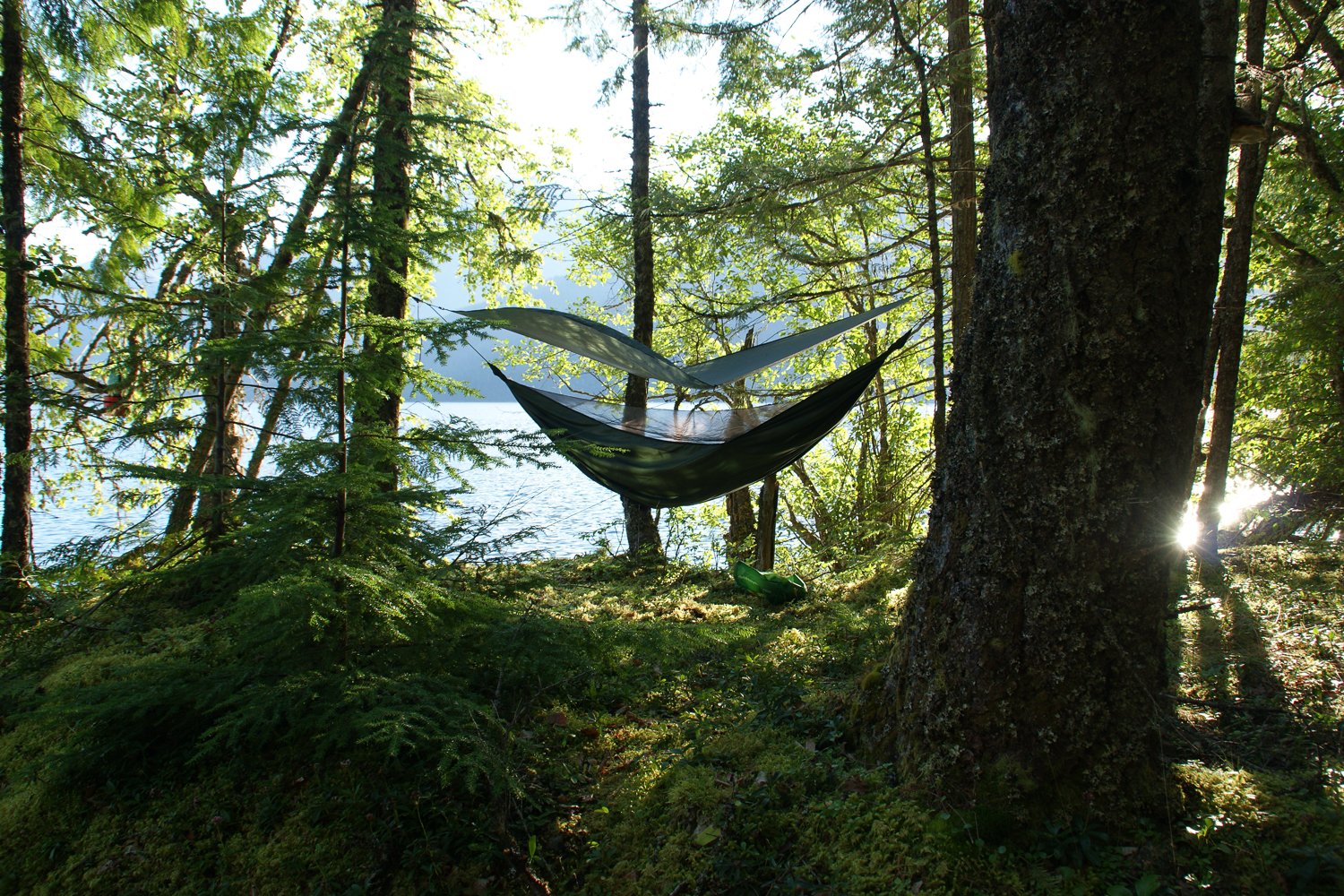
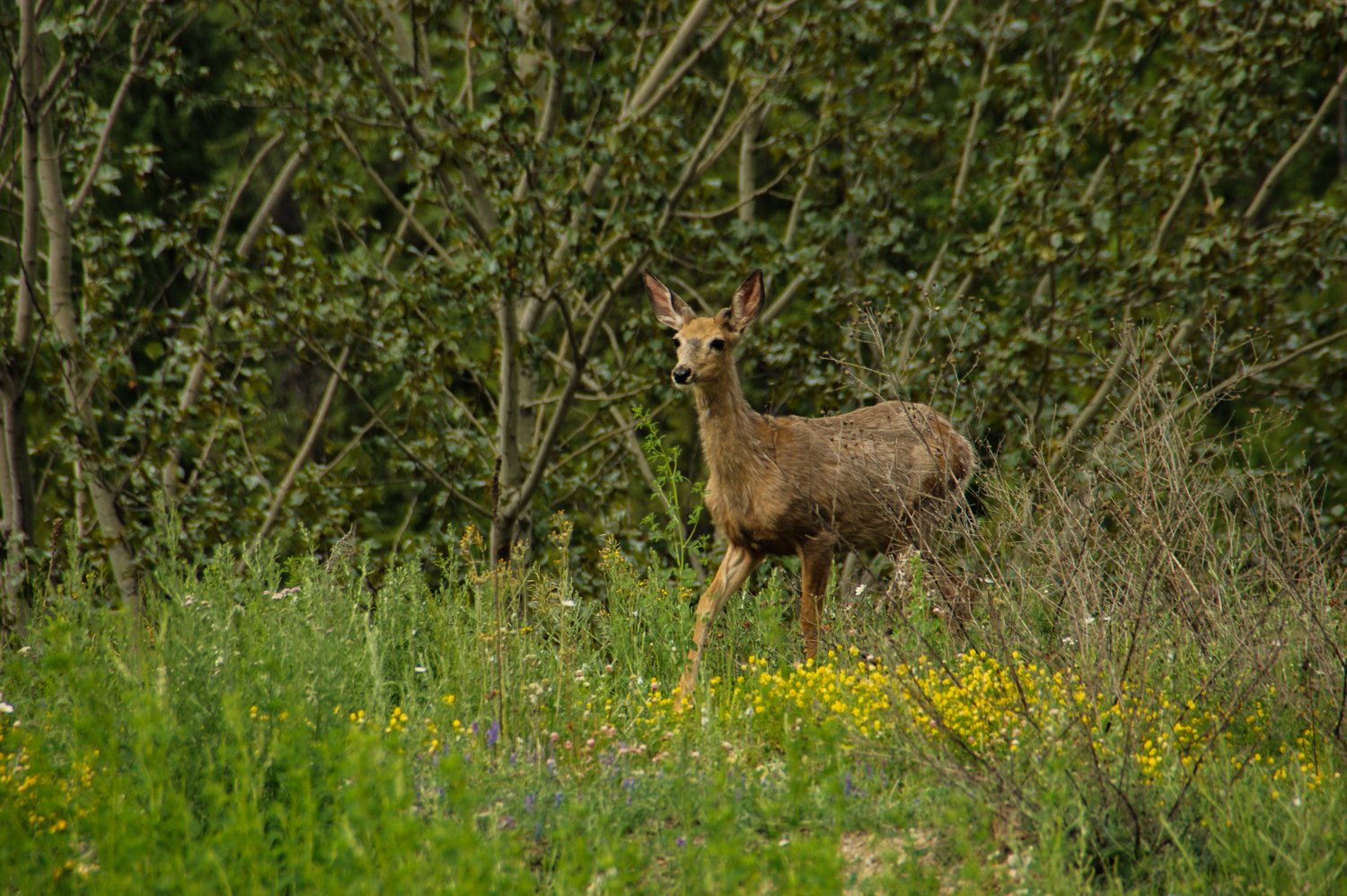
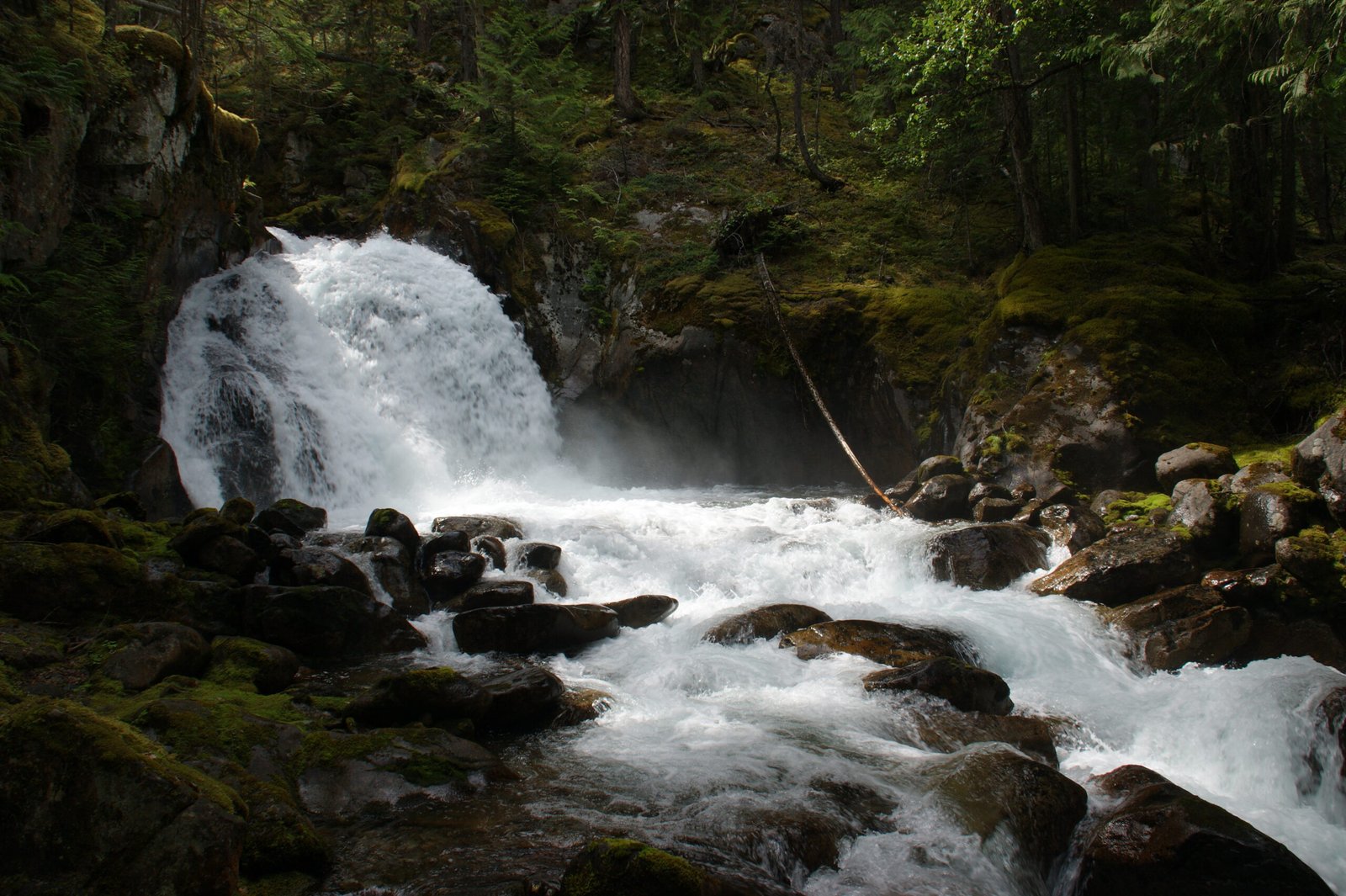
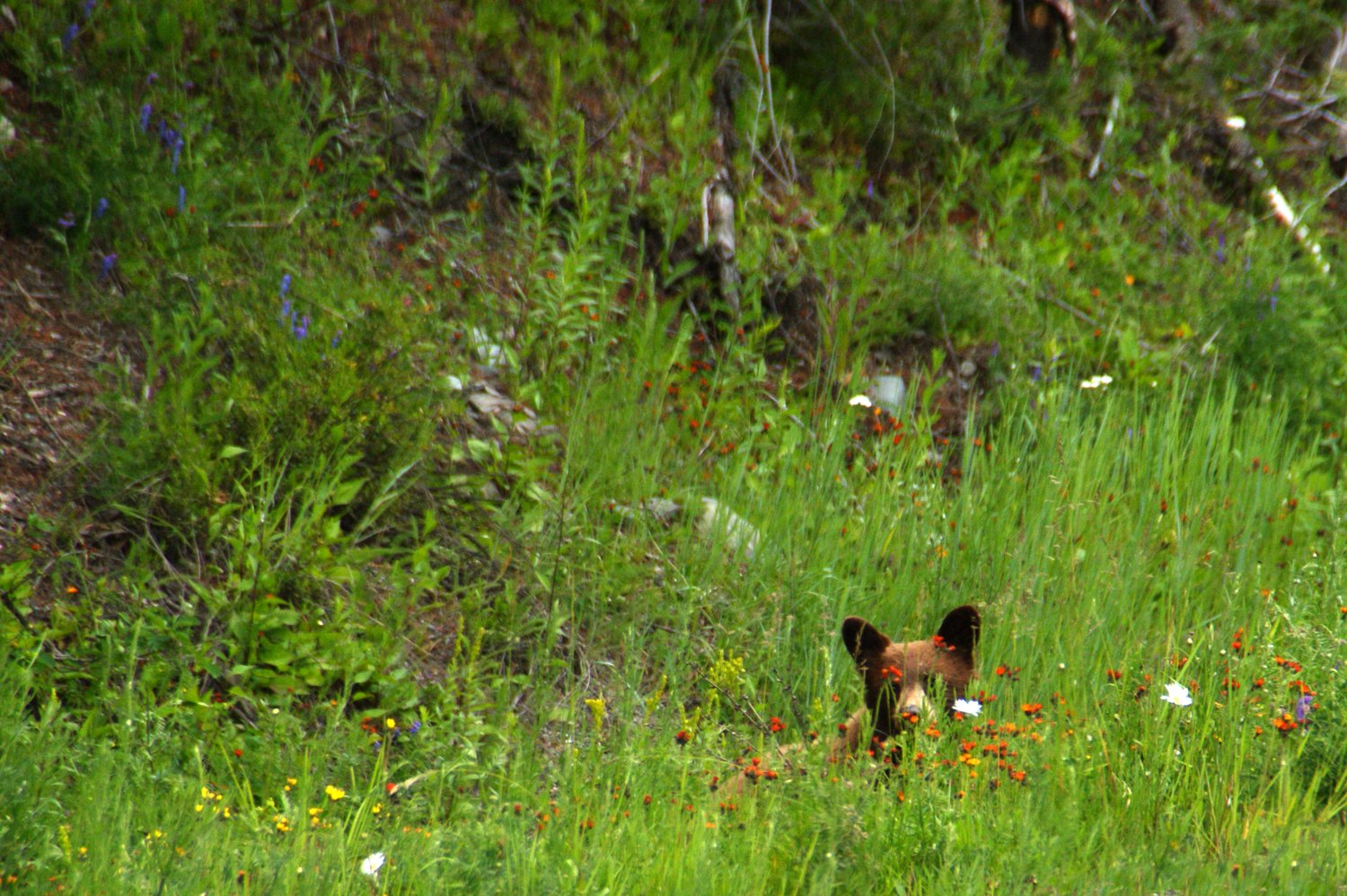
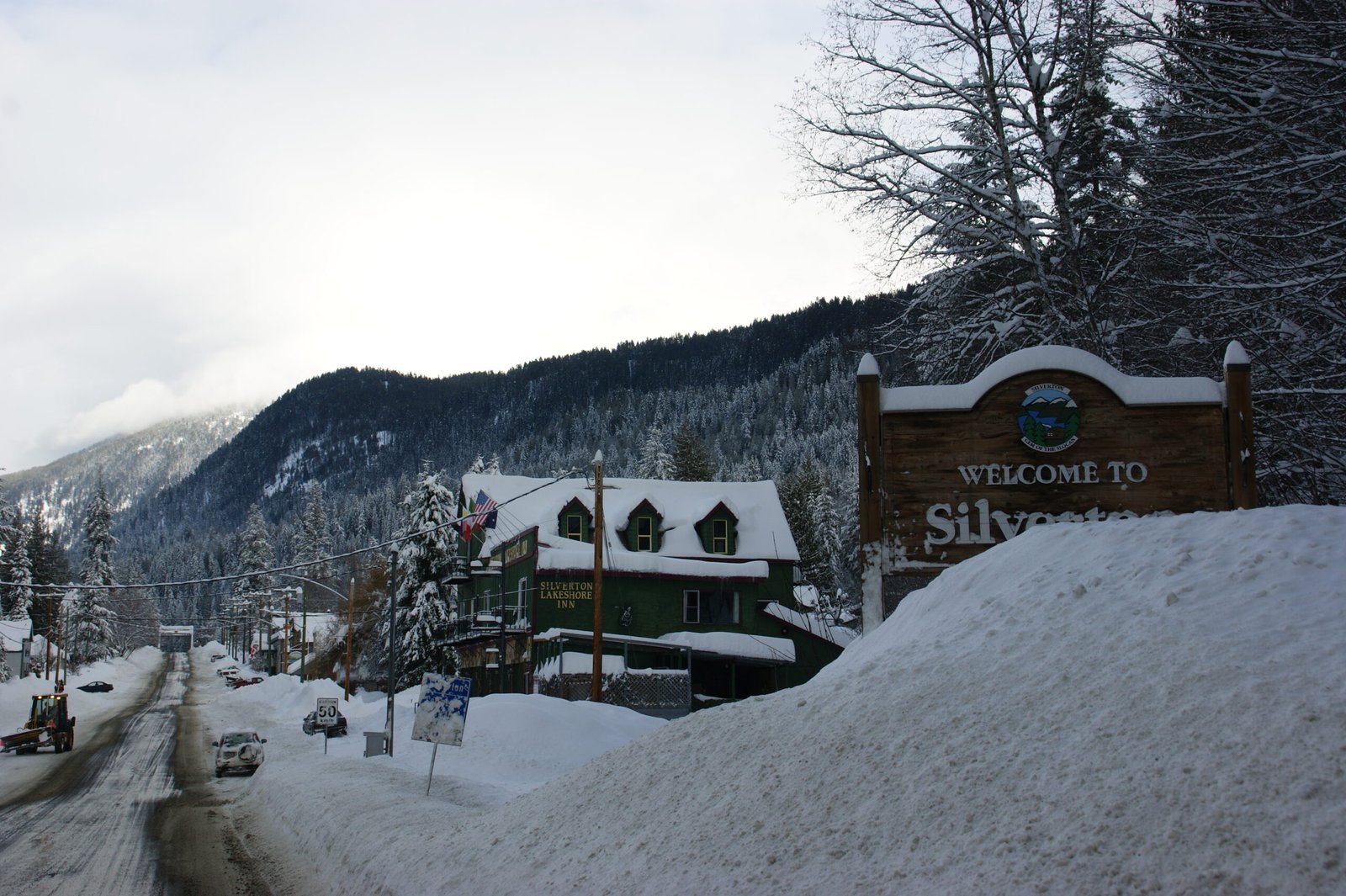
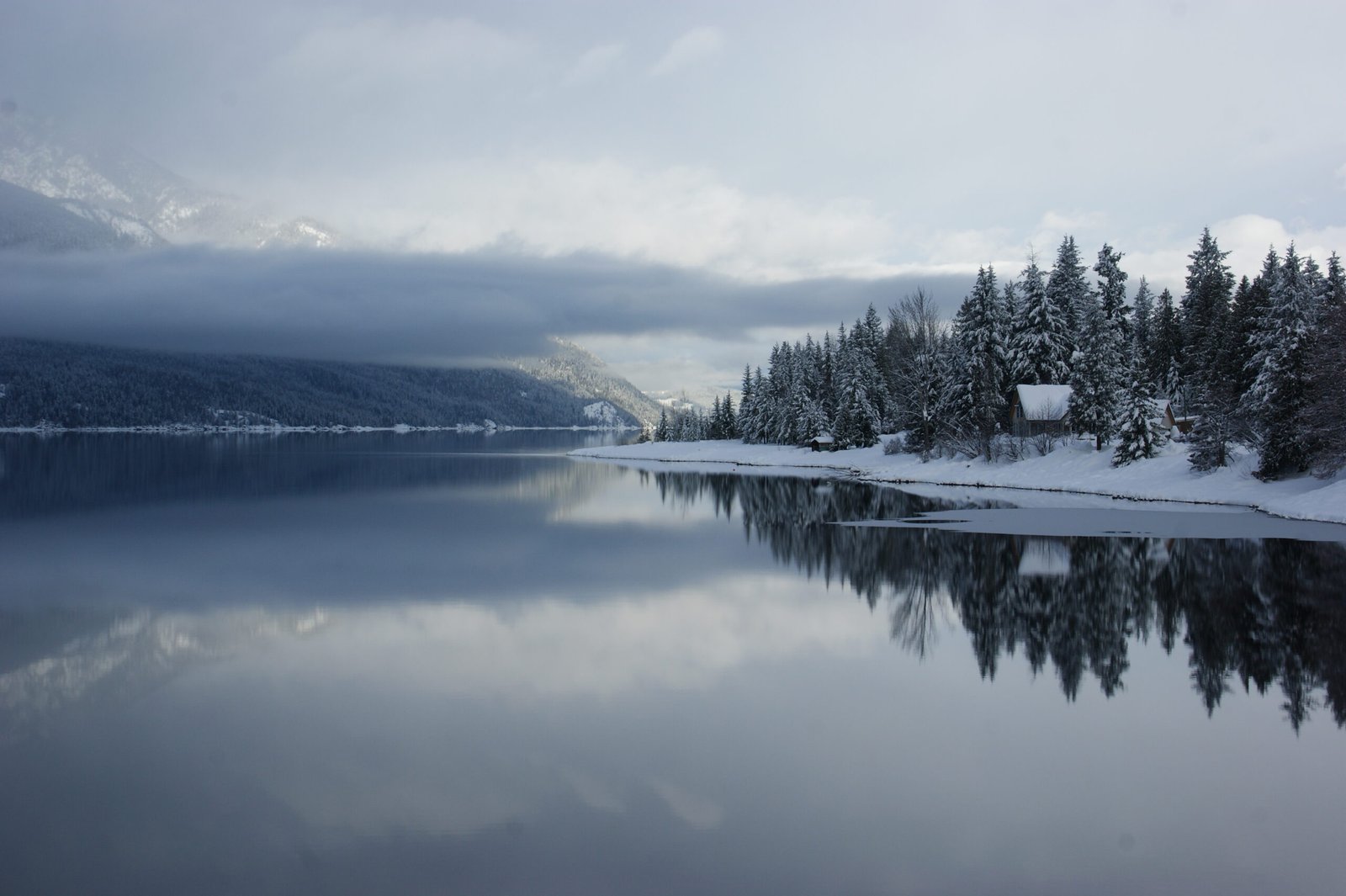
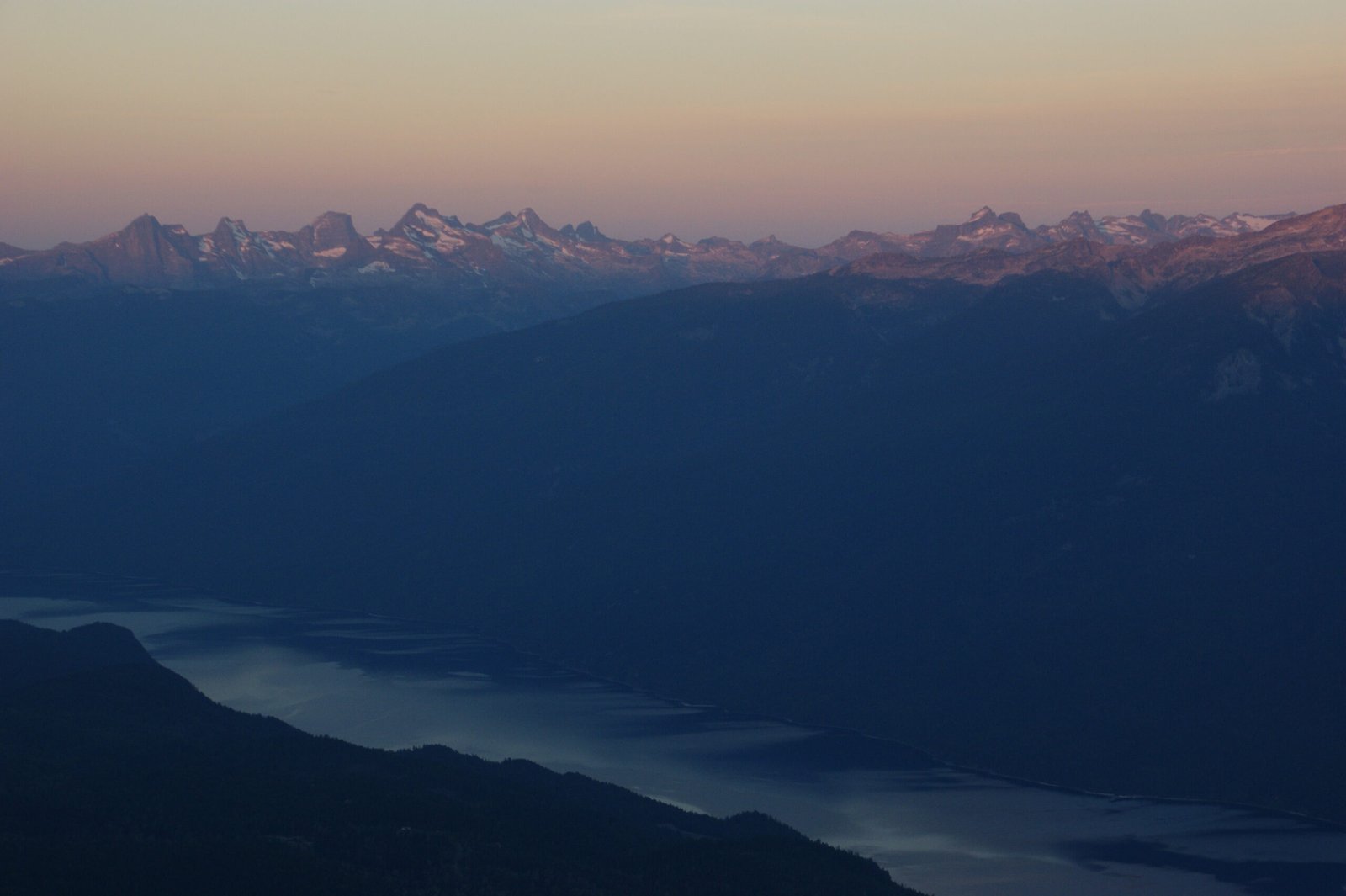
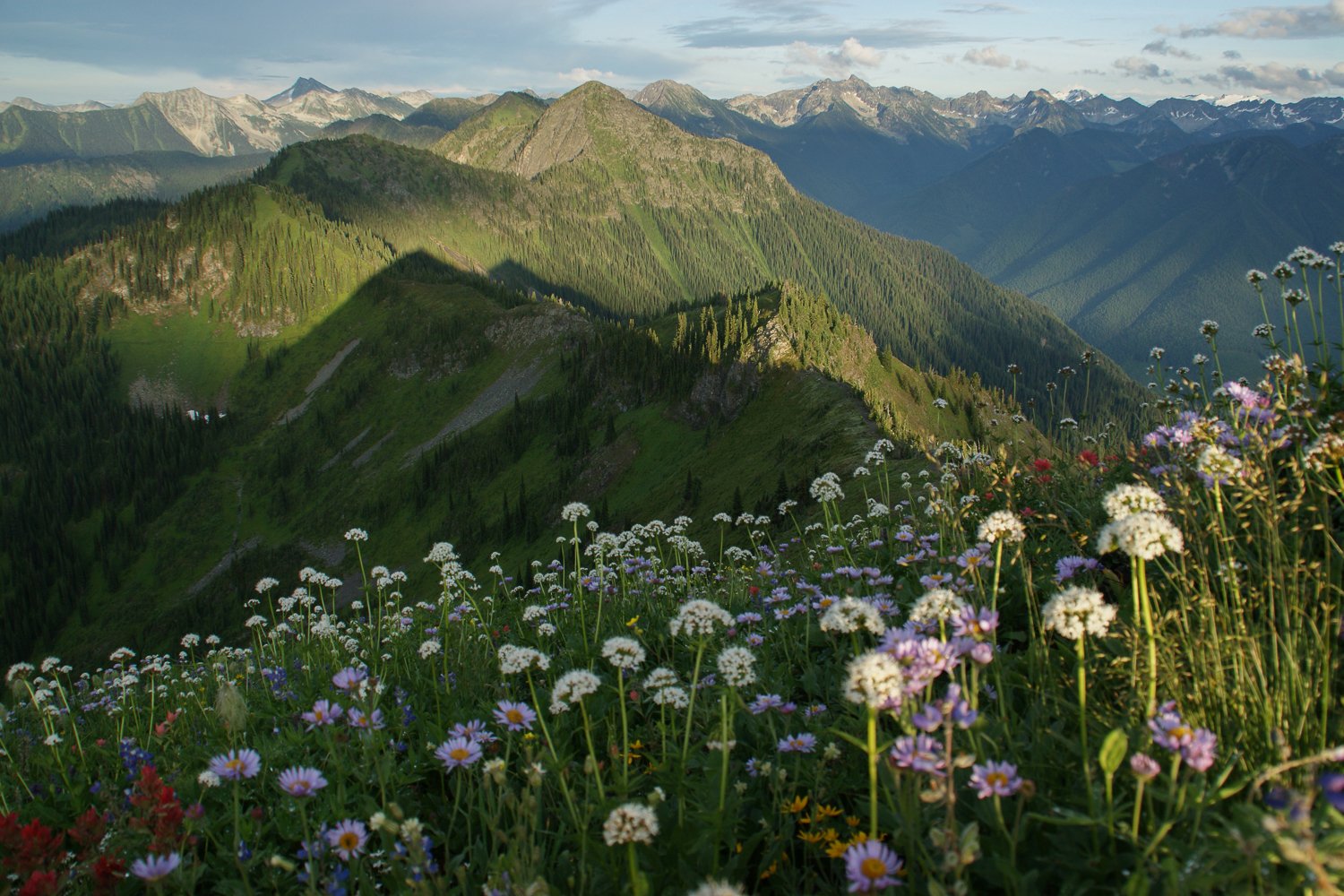
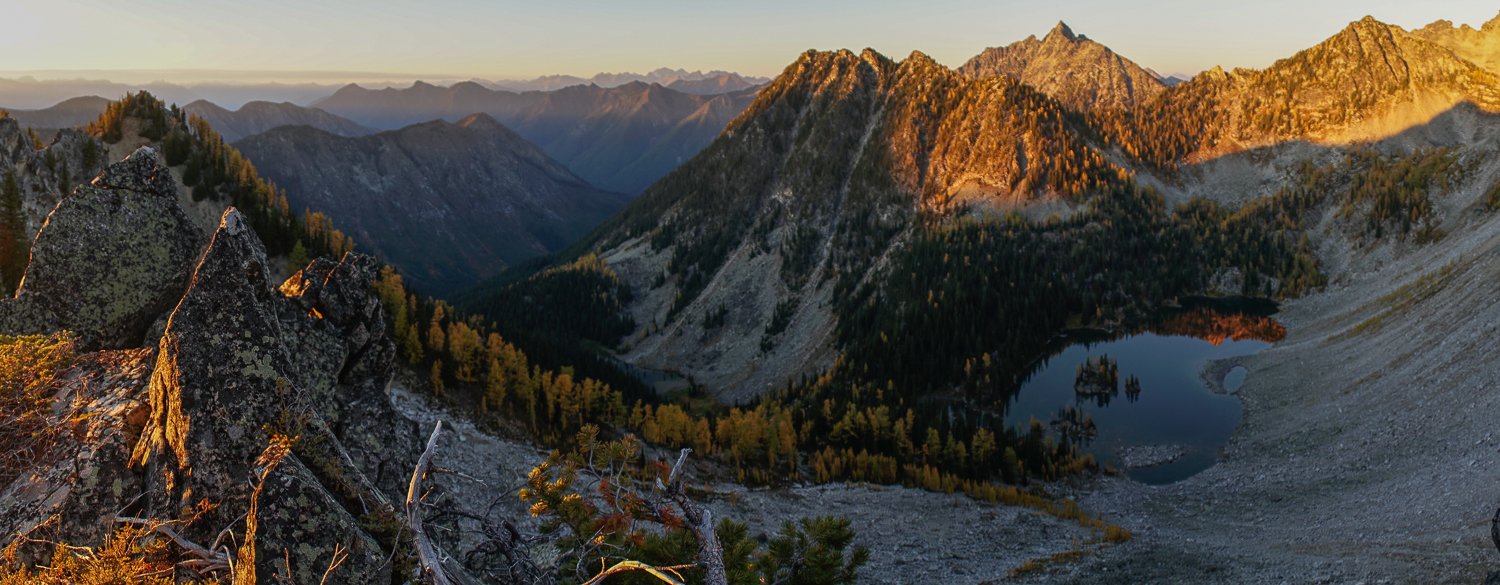
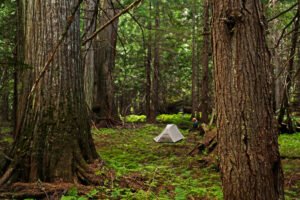
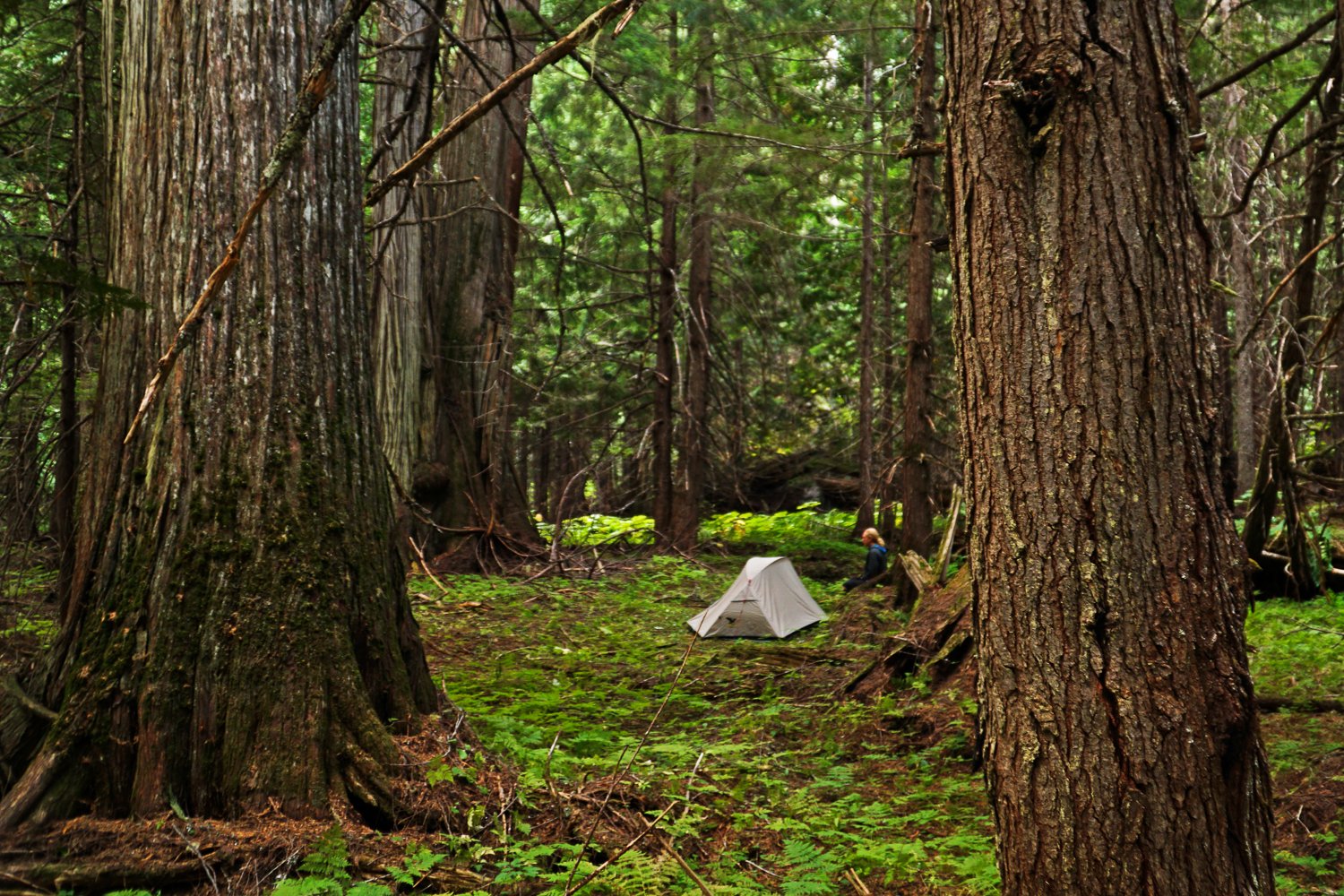
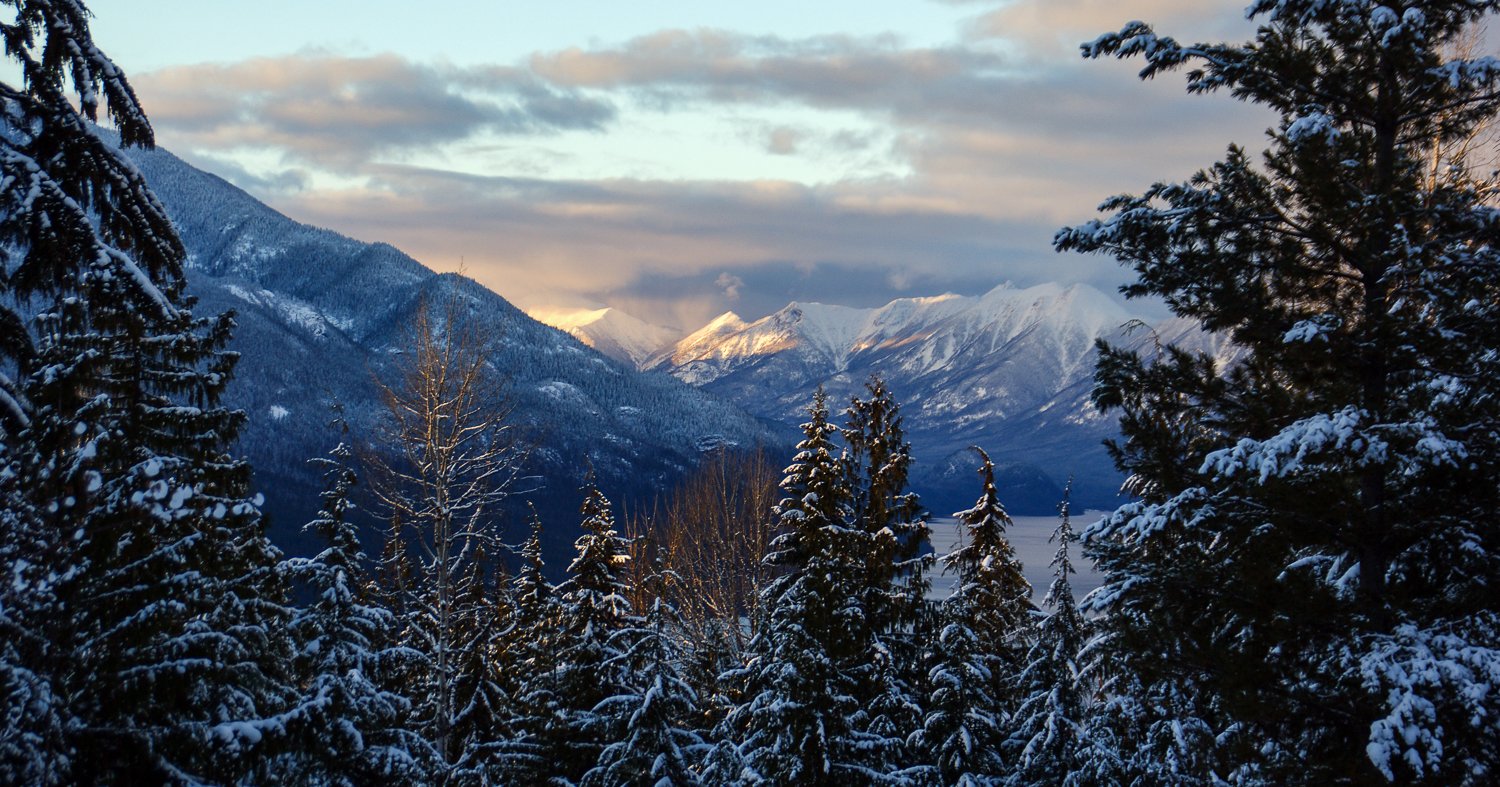
The forests of the Slocan Valley are quite diverse, with many species represented such as cedar, hemlock, pine, spruce, subalpine fir, larch, birch, and cottonwood. Giant cedars can still be found in small pockets throughout the Valley. Some of the old growth was lost during the 2024 Slocan Lake Complex wildfires, as large sections of the forested slopes around the Slocan Lake were burned.
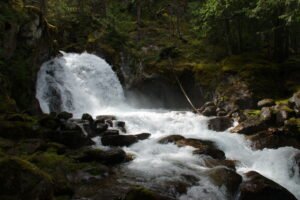
The forests of the Slocan Valley are quite diverse, with many species represented such as cedar, hemlock, pine, spruce, subalpine fir, larch, birch, and cottonwood. Giant cedars can still be found in small pockets throughout the Valley, and beautiful waterfalls with ancient moss. The Slocan Lake area is considered an inland rainforest, but the reduced rainfall over the last years, is causing dry conditions for the vegetation. Forest fires have become a serious threat because of the warmer and dryer climate in combination with the lay of the land; the Slocan Valley is narrow, with densely forested steeper slopes. “How do we keep it safe?” is what’s on people’s mind. Last year, this question became very real for the northern Slocan Lake area, as an intense dry lightning storm started a handful of wildfires that got out of control and impacted people, animals, and land. Read more about the Slocan Lake Complex wildfires.
This page includes summarized text from slocanvalley.com. Visit their website and the Slocan Valley Chamber if you would like to learn more about the Slocan Valley.